

In an era in which climate variability casts a long shadow over agricultural practices, farmers are constantly seeking creative solutions to secure their water supplies. Borehole drilling stands out as a robust answer, offering a trustworthy backup plan against drought and the challenges of shrinking surface water supplies. As surface water grows increasingly untrustworthy, utilizing deep aquifers not only guarantees steady hydration for crops but also shields against the uncertainties that climate change poses to farming.
Delving into the geology beneath our feet, borehole drilling can reveal hidden reserves of water that surface streams and reservoirs simply cannot provide. These deep wells not only promise year-round reliability but also serve multiple agricultural purposes, including irrigation for crops to providing water for livestock. As we examine the numerous benefits of borehole drilling, it is clear that it becomes evident that understanding the underlying science and strategies can lead to successful water management and ultimately, a prosperous agricultural future.
The Importance of Dependable Water Supplies
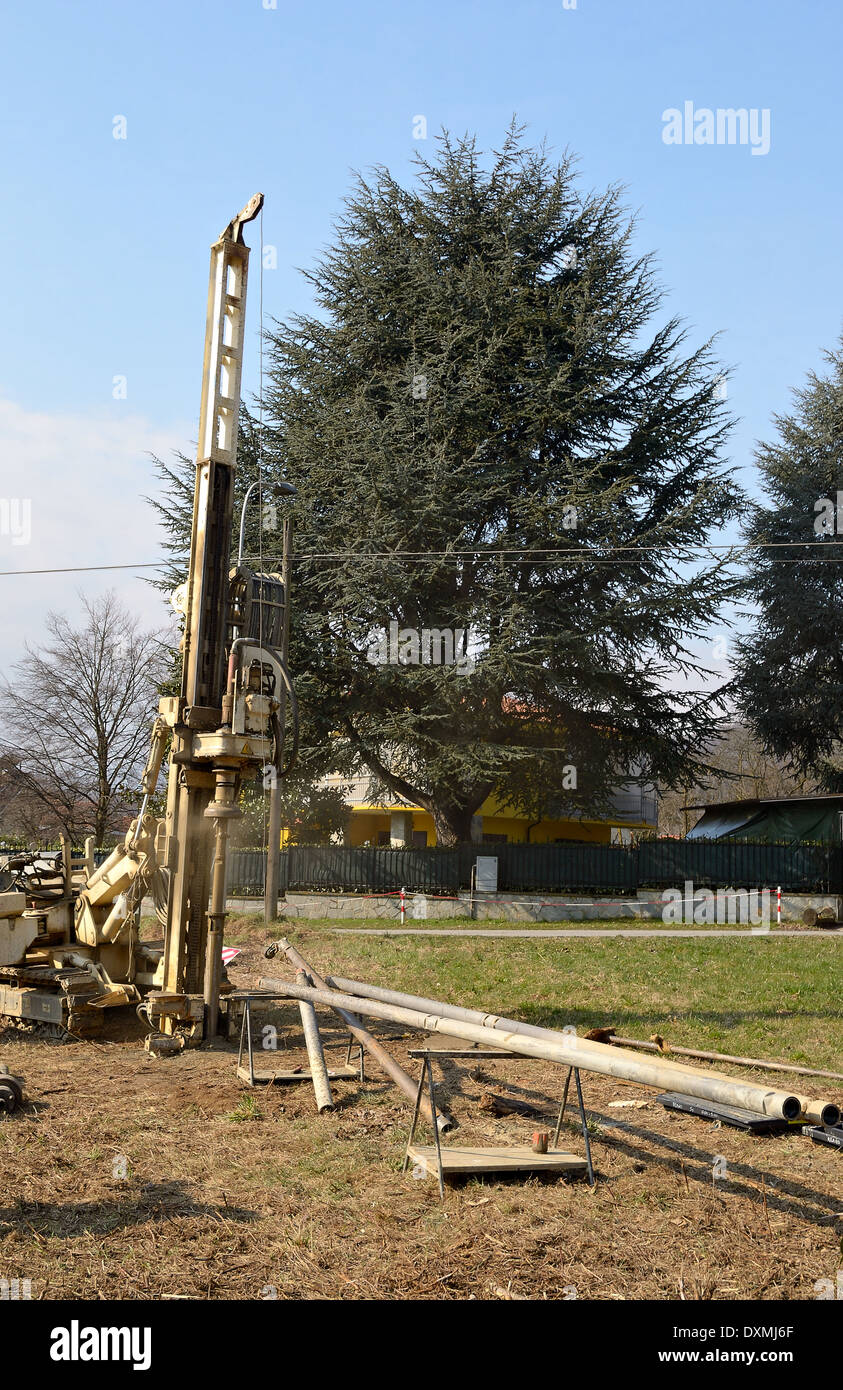
In an era characterized by shifting weather patterns and increasing population demands, reliance on reliable water sources has become paramount for farming sustainability. Farmers face the dual challenge of ensuring an ample water supply for produce while adjusting to times of drought or insufficient rainfall. This dependence underscores the crucial role that borehole drilling plays in ensuring reliable water access. With surface water frequently drying up or becoming tainted, tapping into lower aquifers through boreholes provides a stable solution for retrieving clean water year-round.
Moreover, the uncertainty of climate change has heightened the need for effective water resource management. As traditional sources waver, boreholes emerge as a important defense against potential water shortages. By establishing deep wells, farmers not only enhance their watering capabilities but also safeguard against the erratic patterns associated with climate change. Effective borehole systems can serve as a backup plan, ensuring that agricultural operations maintain productivity even when external water sources falter.
In furthermore, to benefiting crops, reliable water sources from boreholes extend their advantages to livestock and industrial applications, thereby supporting a holistic agricultural ecosystem. The integration of well drilling into water management strategies allows farmers to enhance the use of available resources. This holistic approach fosters stability within agricultural practices, allowing producers to navigate the challenges posed by environmental challenges while maintaining output and sustaining incomes.
Grasping Borehole Drilling Methods
Borehole boring involves various techniques that allow accessing underground water reservoirs, each tailored to specific geological environments and water requirements. The widely used method is rotary boring, that utilizes a spinning drill bit to bore into the earth and reach aquifers. This method is effective in multiple soil types and allows for quick drilling, making it a favored choice for a lot of crop projects. Another approach is percussion drilling, which involves a hammering action that breaks rocks and sediments, ideal for harder formations.
Selecting the appropriate drilling method is influenced by factors such as the level of the water table, soil makeup, and desired water yield. For example, if boring in rough or challenging terrain, percussion drilling might be more efficient, while rotary drilling could excel in softer soils. Additionally, advanced techniques like sonic boring use high-frequency vibrations to enhance penetration and are increasingly being identified for their efficiency and reduced environmental impact.
To ensure efficient borehole drilling, thorough planning and assessment of geological situations are crucial. Prior to drilling, a thorough site survey is carried out to identify the best drilling location and technique. Factors such as groundwater flow rates and potential contaminant presence are evaluated to determine the optimal drilling approach. By comprehending these methods and the applications, farmers can make educated decisions for reliable water access, elevating their agricultural practices beyond surface water usage.
Evaluating Costs and Long-Term Benefits
Investing in borehole drilling can initially seem expensive, but it's important to view this as a strategic strategy rather than a mere expense. boreholes north wales can include fees for drilling, licensing, and materials, but these should be weighed against the possible savings from less dependence on surface water and the stability a reliable water supply provides. By gaining independent access to subsurface water, farmers can better manage their farms during drought conditions, thus safeguarding their capital and maintaining consistent crop yields.
The return on investment in borehole drilling can show in various ways. For farmers, the ability to access deep wells can greatly enhance productivity by providing year-round irrigation, which resulting in higher harvest yields. Moreover, the efficiency of these sources can lead to lower energy expenses compared to pumping systems for surface water that may require more power to move water over long distances. As climate change increasingly impacts water availability, having a reliable source allows for improved planning and resilience in farming methods.
Long-term benefits also include environmental sustainability and increased water quality. Well-executed boreholes reduce contamination threats, which is essential for both crop and livestock health. Implementing a comprehensive water testing program guarantees that the water obtained is fit for consumption, thereby protecting resources in crops and livestock. In conclusion, while the upfront expenses may be significant, the strategic decision to invest in borehole drilling is in harmony with a goal of environmental responsibility, reliability, and enduring success in agriculture.