

In today's fast-paced world, the role of electricians has changed beyond basic electrical connections and repairs. With the surge of automated technology and an increasing focus on security and effectiveness, understanding up-to-date trends in electrical work is essential for both homeowners and experts in the industry. From https://bm-electrical.uk/ of smart home systems to the requirement of complying to updated residential wiring codes and safety standards, staying informed is paramount.
Electricians are not only tasked with addressing frequent household electrical concerns but also play a pivotal function in ensuring that homes are equipped to accommodate modern appliances and technology requirements. Whether it's installing ground fault circuit interrupters for security or refurbishing antiquated knob-and-tube wiring systems, the field of electrical work is always evolving. This article examines major trends and best practices that every electrician should be cognizant of, presenting information that can assist mitigate risks and improve the effectiveness of electrical systems in domestic settings.
Wiring Regulations and Safety Standards
Understanding residential electrical regulations and security standards is essential for guaranteeing safe and efficient electrical installations. These codes dictate the minimum requirements for electrical systems in houses, covering all aspects from the kinds of materials that can be utilized to the techniques of installation. Adhering to these regulations not only boosts safety but also guarantees that installations pass inspections and comply with local laws.
Electricians must remain updated on modifications to these regulations, as they can evolve based on recent safety research, technological progress, or changes in building practices. Key standards are often established by organizations like the National Fire Protection Association or local building authorities. An understanding of these codes helps contractors avoid possible hazards, such as improper wiring techniques that could lead to fires or electrical shocks.
Additionally, knowledge with security standards includes knowing how to implement protective strategies, such as the proper installation of ground fault circuit interrupters (GFCIs) and ensuring suitable circuit loads. Compliance not only safeguards the occupants but also increases the longevity of the electrical system installed, thereby reducing future maintenance costs.
Addressing Common Electrical Concerns
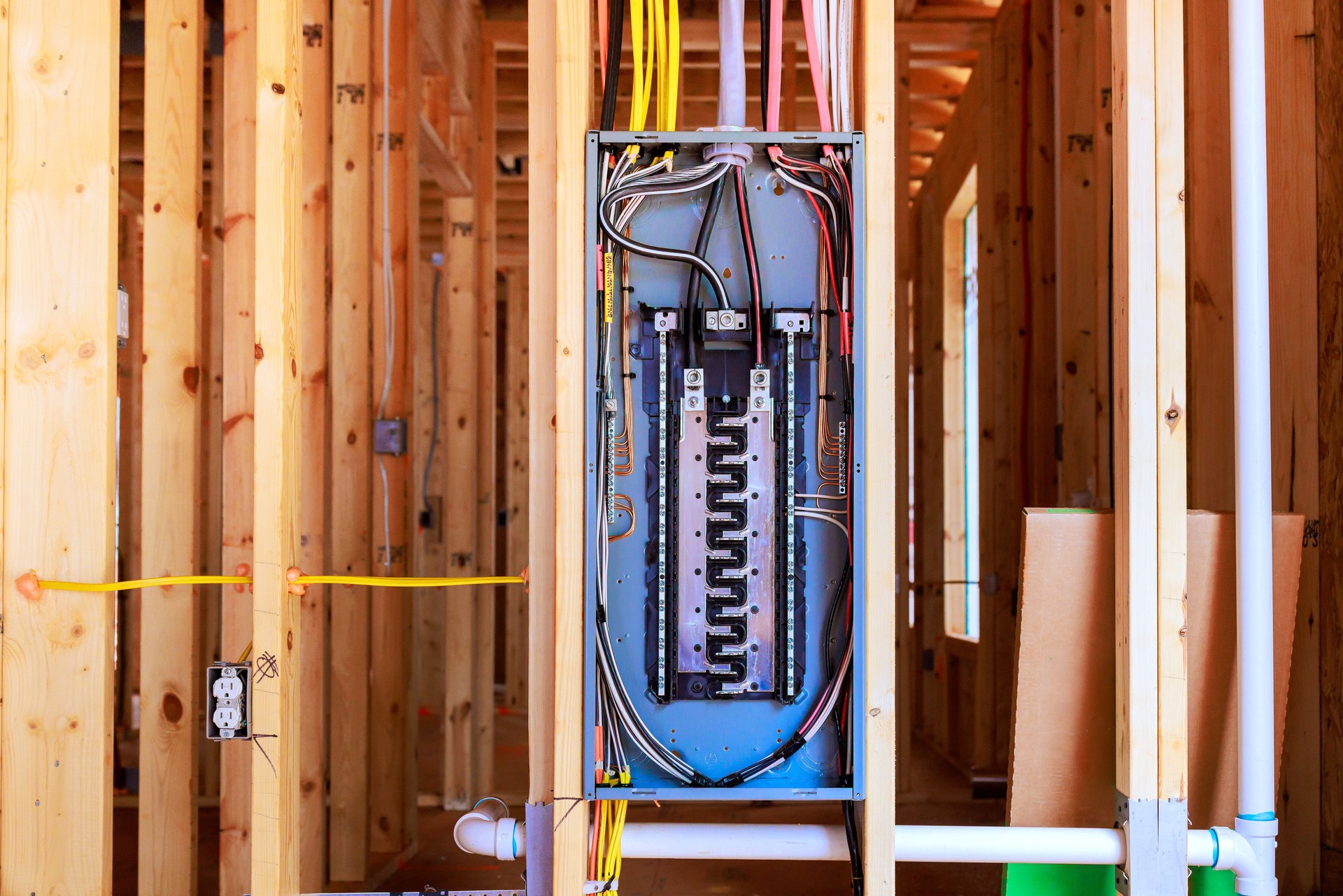
One of the most common electrical issues property owners face is breakers that trip. This generally happens when there is an overload on the circuit or a short, causing the safety switch to halt power to safeguard the electrical wiring. To address this, first by examining the breaker panel and re-setting any blown breakers. If the situation recurs, check out the circuit for overloaded appliances or worn wiring that may need attention. Knowing the energy needs for your appliances can help prevent this issue in the long run.
Blinking lights and occasional power can also pose a problem. These symptoms can come from poorly connected wiring, faulty light bulbs, or problems in the circuitry itself. Start, by swapping the light bulbs to discount that factor. After, check the connections at the light fixture and the control switch. If the lights persistently flicker, it could point to a more substantial problem in the circuitry or the primary service panel, which may require expert assistance.
Lastly, addressing low-voltage wiring for alarm systems often requires inspecting connections and confirming the devices are receiving the correct power. Check the wiring for any signs of deterioration or faultiness and confirm that the power supply is operational correctly. Consistent maintenance of alarm system wiring is essential, as these systems are vital for house security and can break down if not properly cared for.
Best Guidelines for Modern Wiring Tasks
In the modern evolving electrical engineering landscape, staying updated with the latest wiring codes and safety standards is essential for electricians. Understanding home wiring codes ensures conformity with local regulations, minimizing risks associated with energy risks. Electricians must frequently review code compliance updates, making sure they are informed about new requirements and techniques that boost safety and effectiveness in installations.
Another key aspect of current electrical work is resolving common household issues. Electricians should be skilled at identifying problems like tripped breakers, flashing lights, and intermittent electricity issues. Knowledge with components such as Ground Fault Circuit Interrupters (GFCIs) and their installation is important. This knowledge not only safeguards against electrical currents but also improves the overall safety of domestic wiring, notably in areas prone to dampness.
Finally, including smart home technology into electrical work is progressively critical. Electricians should be proficient in designing circuits that accommodate contemporary technology demand growth while ensuring the configuration of smart home wiring infrastructure is done properly. Proper installation practices for outlets, switches, and outdoor lighting can efficiently replace obsolete systems, such as knob-and-tube wiring, resulting in safer and more secure and more efficient homes that meet current and upcoming energy needs.